
Faster timelines
Streamline steps from early planning to final design to reduce overall development time.

A solar farm is a large collection of solar arrays installed across open land to generate renewable energy at scale. Unlike smaller-scale rooftop systems that power a single home or premises, solar farms typically generate electricity for wider distribution.
While the terms solar farm and solar power plant are often used interchangeably, the industry generally uses ‘solar power plant’ to refer to utility-scale projects – those designed to tap into the wider grid to support regional or national-scale power delivery.
Meanwhile, the term 'solar farm', applied more broadly, can also include community and distributed solar projects. While distributed solar does tie into the grid through the local distribution network (unlike utility-scale solar, which connects to the high-voltage transmission network), solar farms can vary significantly in scale. Subjectively, as a point of scale, a solar farm might be an installation that covers less than 10 acres, while the largest solar power plants can span thousands of acres.
Solar farms fall into two main categories depending on scale and end-goal:
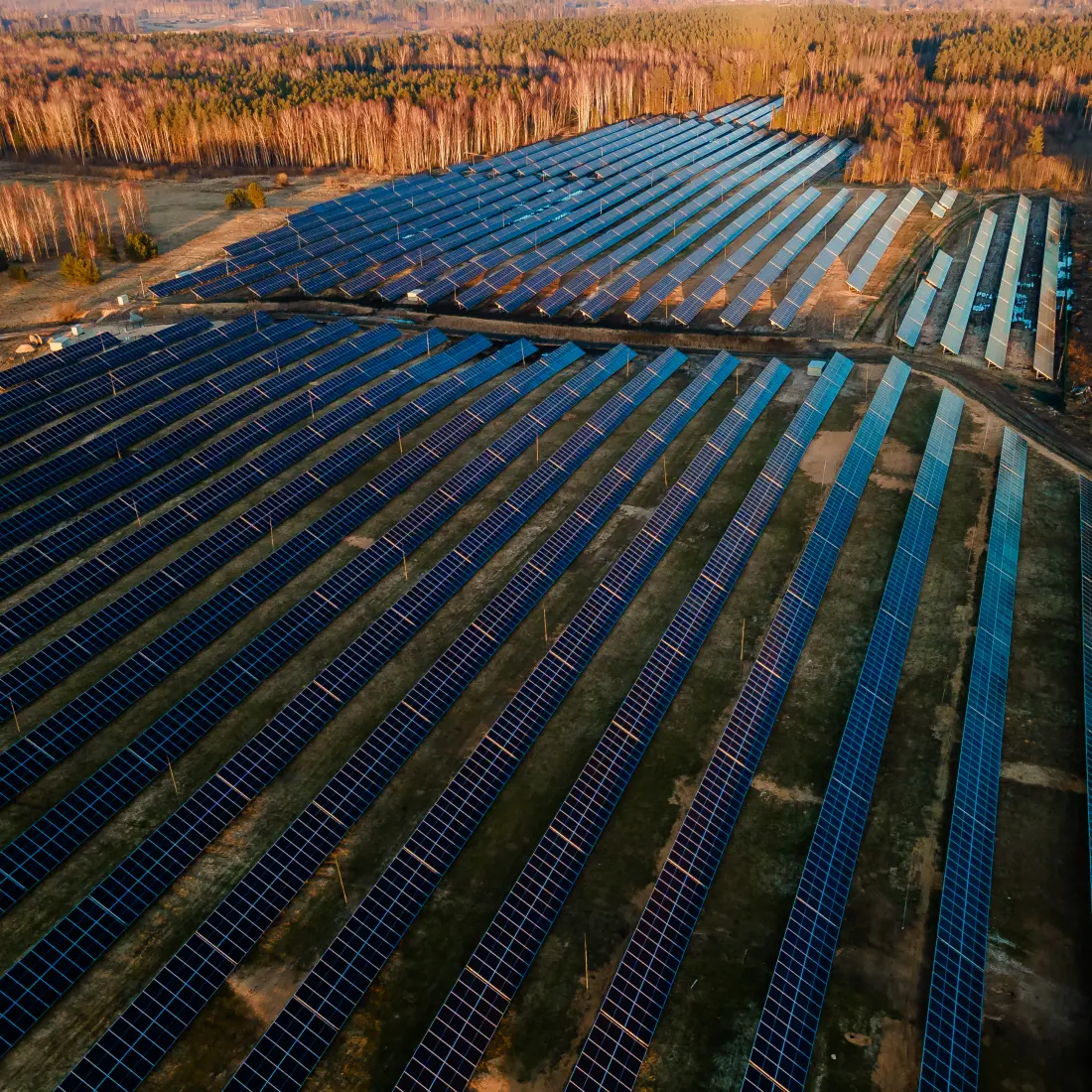
Utility-scale solar
These plants can generate upwards of 5MW to 2.8 GW for the world’s largest solar power plant, the Golmud Solar Park, China. Utility-scale solar feeds directly into the grid and is typically financed by long-term power agreements with utilities or corporations. They function as a renewable alternative to traditional fossil fuel plants and often serve entire regions.
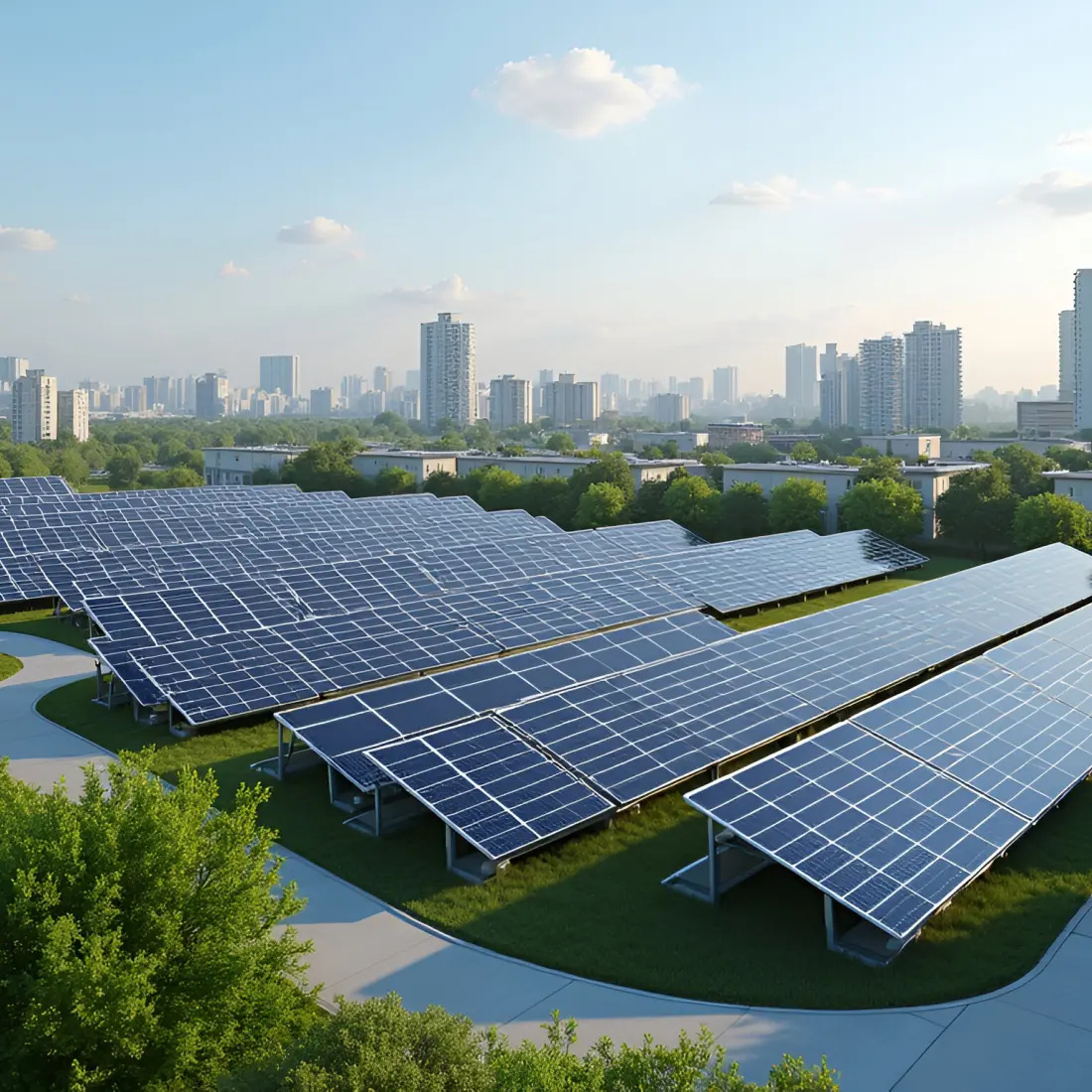
Distributed solar
Smaller-scale projects (typically under 5 MW) that feed into localized distribution networks below the transmission level, such as feeder lines. Distributed solar typically supplies local communities or businesses, as opposed to operating on a regional or national scale, often funded through community or subscription-based programs.
The key difference is that utility-scale projects contribute to the wider power grid, while distributed solar supplements more local power needs.
Traditional solar farms work by converting solar energy into DC electricity. The DC current is then converted and standardized according to the requirements of the local grid or infrastructure.
Behind the scenes, a network of monitoring and control systems ensures optimal performance and power generation.
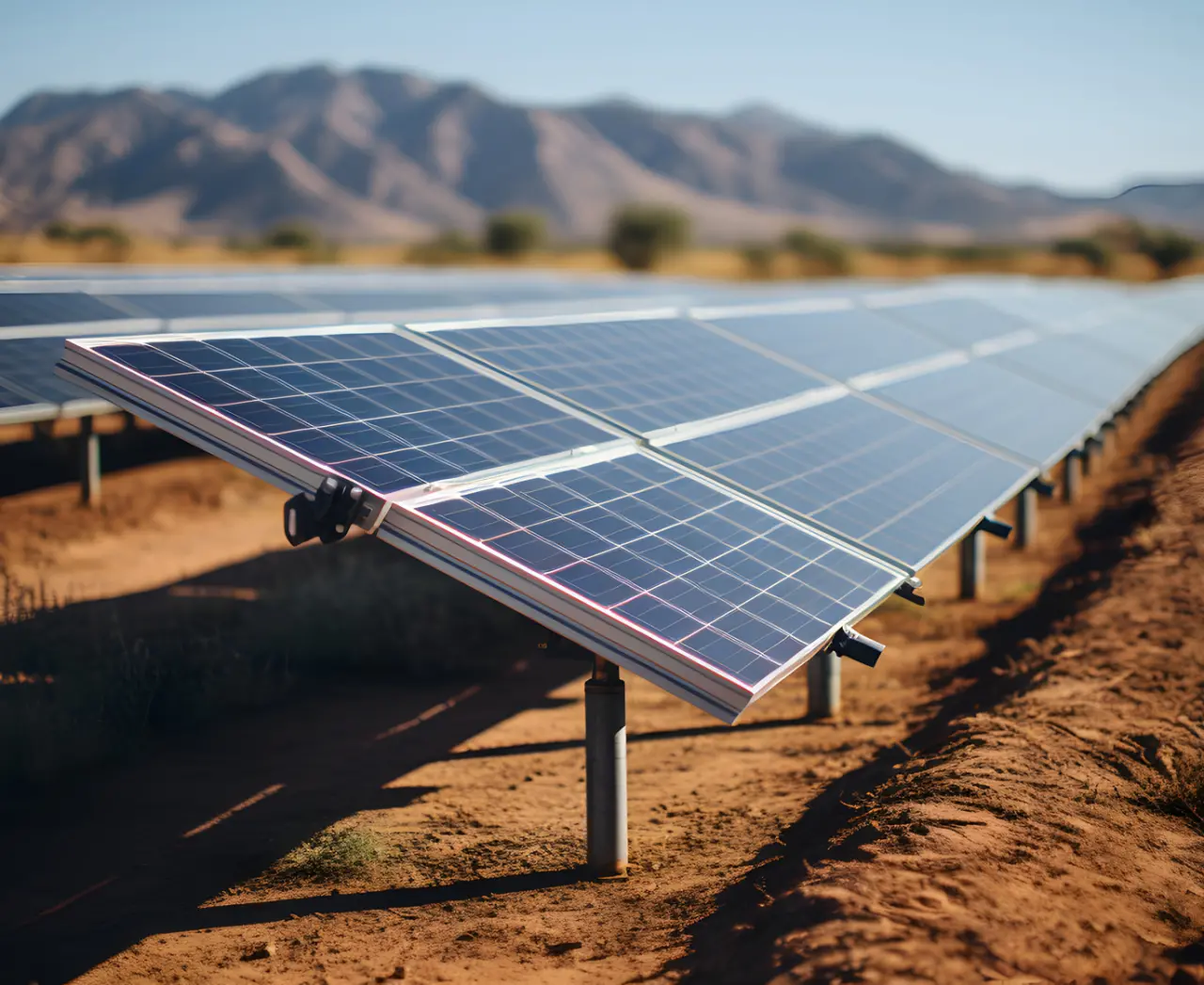
Utility and distributed solar farms deploy highly efficient PV modules configured into strings that convert solar energy into DC current. Arrays can be mounted on fixed-tilt or tracking systems to maximize light exposure throughout the day.
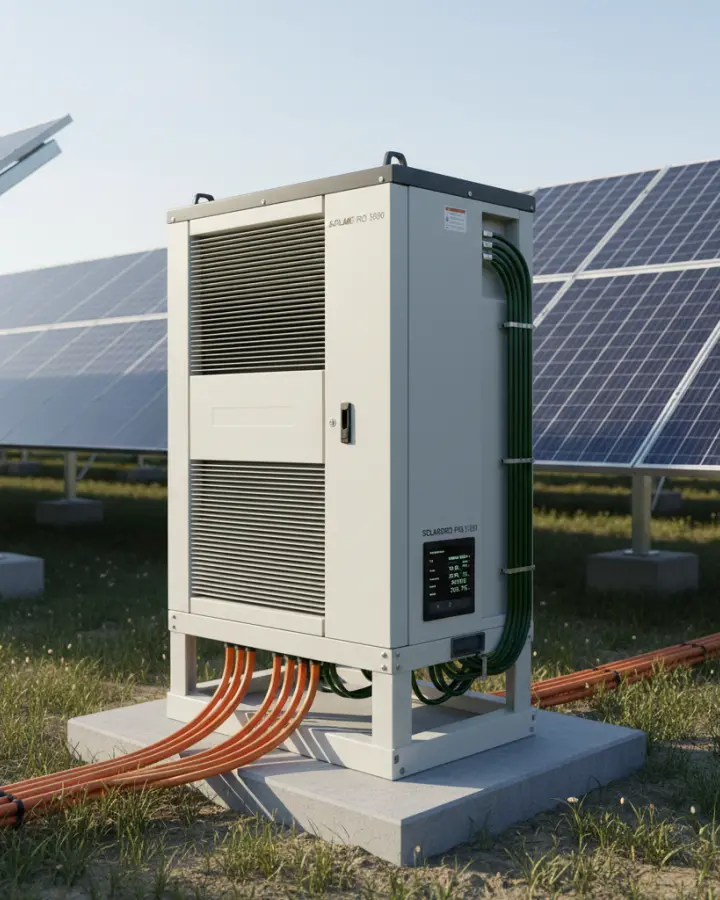
DC current is routed through inverters and converted into alternating current (AC) that can be used by the grid or local systems. Medium-voltage transformers, switchgear, and protection relays maintain power quality integrity and ensure compliance with the infrastructure being supplied.
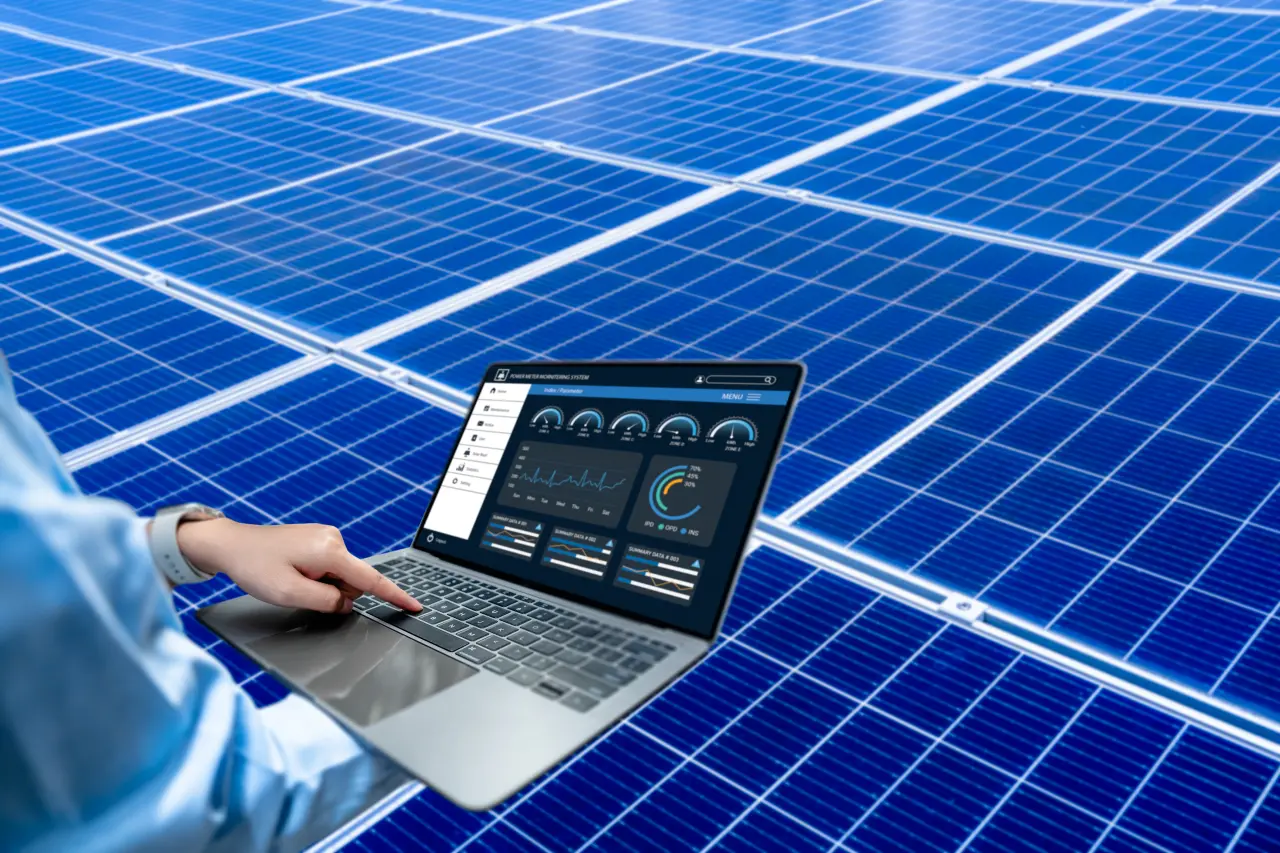
An array of monitoring and control systems, from SCADA (Supervisory Control and Data Acquisition) to advanced forecast systems and predictive maintenance tools, ensure maximum uptime and optimized power generation.
While nowhere near the scale of PV technology in terms of market share, solar thermal power plants (specifically, Concentrated Solar Power systems) represent a unique alternative – one with distinct advantages and drawbacks. First, the distinguishing technology behind them:
PV farms generate electricity directly from sunlight, making them relatively simple to deploy, low-maintenance, and cost-competitive. These favorable economies of scale have contributed to PV systems becoming the dominant technology worldwide, with over 1.6 TW of global capacity (compared to 6.7 GW of solar thermal plant capacity).
Solar thermal technology works by converting concentrated sunlight into heat, which is then used to produce steam and drive turbines.
The ability to store and distribute heat over a controlled period solves the critical challenge of solar energy – what to do when the sun doesn't shine. However, the process is considerably more complex, resulting in higher CAPEX and OPEX costs. While hybrid systems combining photovoltaic farms with battery energy storage systems (PV farms + BESS) also address this intermittency challenge, they offer a significantly more cost-effective solution with substantially lower capital and operational expenditures.
For comparison, the global Levelized Cost of Electricity (LCOE) for utility-scale solar PV was $0.043/kWh in 2023 and $0.118/kWh for concentrated solar power.
CSP might be beneficial in high direct normal irradiance (DNI) regions, such as California (home to the Ivanpah Solar Power Facility, the largest CSP plant in the USA), but PV systems are overwhelmingly selected for their low costs and scalability.
Before a solar farm can be engineered or financed, it must align with local land-use rules. Determining the necessary zoning for a solar farm is one of the earliest hurdles to overcome in the development timeline.
Large-scale solar projects are most frequently sited on agricultural land (accounting for more than 70% of commercial U.S solar projects between 2012 and 2020). This is because agricultural land often offers ideal conditions, including large open spaces and flatter terrain.
Many regional authorities classify solar as an acceptable use of agricultural land; however, there can be caveats. Wildlife surveys, visual buffers, and the requirement for dual-use planning, such as agrivoltaics, can play a role in shaping the development process.
Industrial-zoned land often faces fewer land-use objections but can also pose its own obstacles, such as higher land prices and smaller availability.
Zoning approval is typically followed by a combination of conditional-use permits, special-use permits, site-plan reviews, and utility approvals. These requirements vary widely by jurisdiction, and timelines can range from a few months to multiple years.
Early engagement with planning commissions, county boards, and local stakeholders is critical to avoid delays, as opposition or procedural challenges can derail project timelines
Most large-scale solar farm projects, particularly those to be built on agricultural land, are typically subject to environmental impact assessments. This could include, but is not limited to, assessments on wildlife habitats, wetlands, soil erosion, cultural heritage, and visual impact.
For particularly large projects or those where federal land is involved, developers in the United States may be subject to a NEPA-level review.
Building a utility-scale project involves moving through complex zoning, environmental, and engineering phases. To navigate these requirements efficiently, modern developers rely on specialized solar farm design software to automate site layouts and ensure compliance with local constraints from day one.
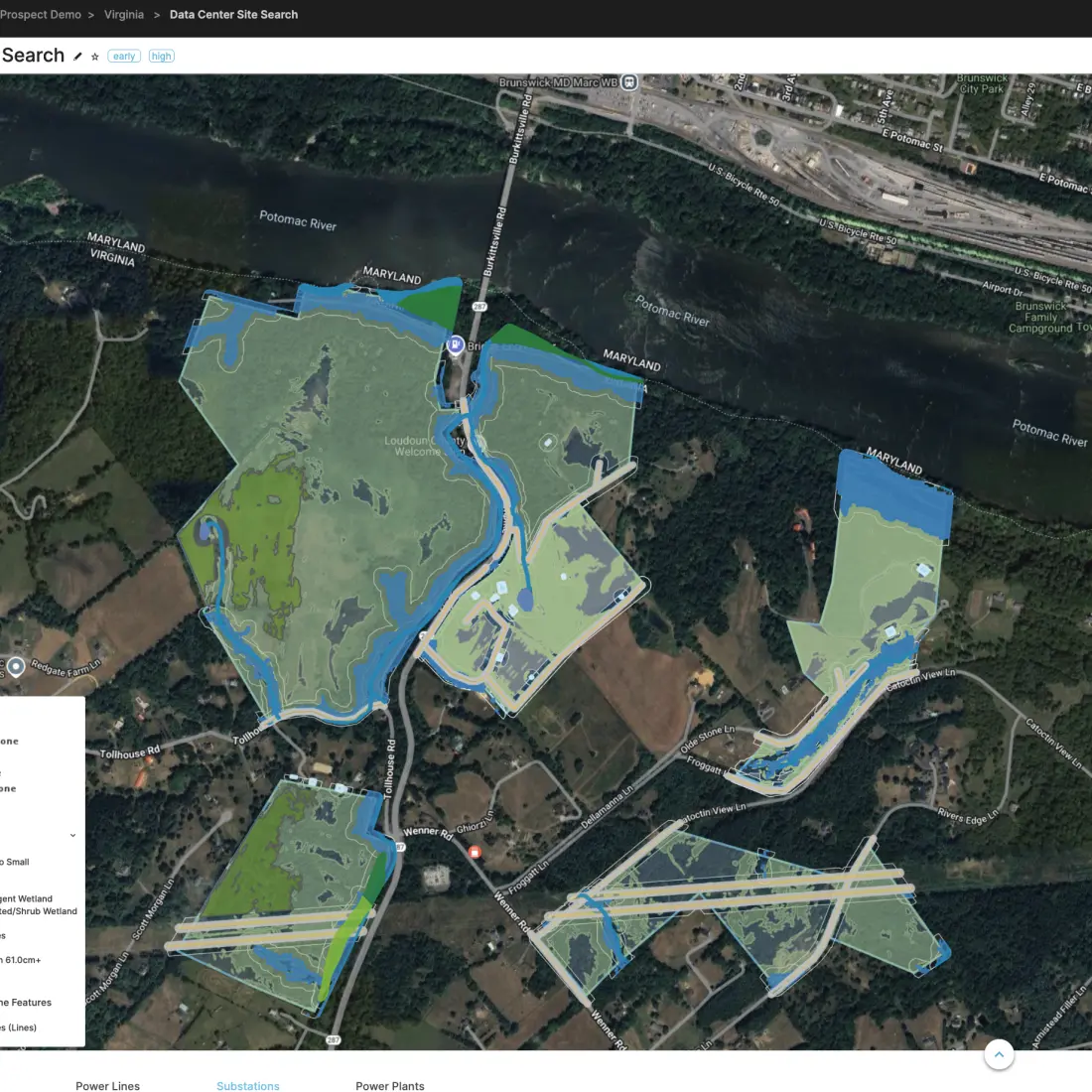
Land area calculations
The land-to-energy production ratio can vary significantly depending on technology, row spacing, and site location. However, as a rough estimation, early-stage developers typically work with a range of 6-8 acres per MWac, with the broader industry range spanning 5-10 acres per MWac.
When modeling land usage, other infrastructure that needs to be considered includes maintenance access, tertiary buildings, and grid/community connection.
Grid code compliance
Large-scale solar farms must meet strict specifications for grid connections, including voltage regulation, ride-through capability, and protection coordination. Aging or congested systems may require special considerations.
Grid connection infrastructure can often represent a significant CAPEX and time investment that can materially reshape any development process, so must be carefully considered as much as the solar array farm itself.
Reaching operational completion of a solar farm involves working with several stakeholders to ensure early-stage investment, long-term viability, and regulatory compliance.
There is no standard or set size for how big a solar farm must be or how many solar panels should be integrated. Generally, projects that generate more than 5 MW are more likely to be considered utility-scale, while smaller ones are typically used in a distributed system. Designers calculate the total required DC capacity (MWdc), which is then balanced by the inverter capacity (MWac) to determine the DC/AC ratio (typically between 1.2 to 1.5).
Calculating the number of solar panels required is complex and includes considering the efficiency of the chosen technology, site layout, and solar conditions.
Generally, designers will begin by considering total desired capacity, divided by the wattage of the panels. For example, to generate 1 MWdc of power using 550 W modules would require 1,820 panels. These calculations can increase exponentially as you get toward some of the world’s largest solar projects.
The Solar Star Project in California, for example, utilizes more than 1.7 million solar panels over 3,200 acres to deliver a total capacity of more than 580 MW.
Before a solar farm can connect to the grid, it must work with dedicated infrastructure designed to augment power supply and ensure quality, in accordance with the needs of the target community or region.
Solar farms that integrate with the grid do so via nearby transmission or distribution lines. DC is converted into alternating current and then stepped up to match the wider grid specifications.
Interconnection also requires protection systems and reactive power support to comply with grid stability requirements and prevent potential disruption caused by faults or power fluctuations.
Hybrid solar and storage infrastructure helps to regulate energy output and overcome midday oversupply and overnight undersupply, both of which can be a challenge for solar generation. The core technical benefit of storage is providing firm, dispatchable power and ancillary services such as frequency regulation and voltage support to the grid, solving the intermittency challenge inherent in solar generation.
Combining storage with effective load balancing and grid synchronization ensures reliable and flexible energy delivery in lockstep with the varying needs of the wider energy grid.
Solar farms are an increasingly essential cornerstone in future-oriented power grids, supporting legacy infrastructure and offering unique applications and benefits.
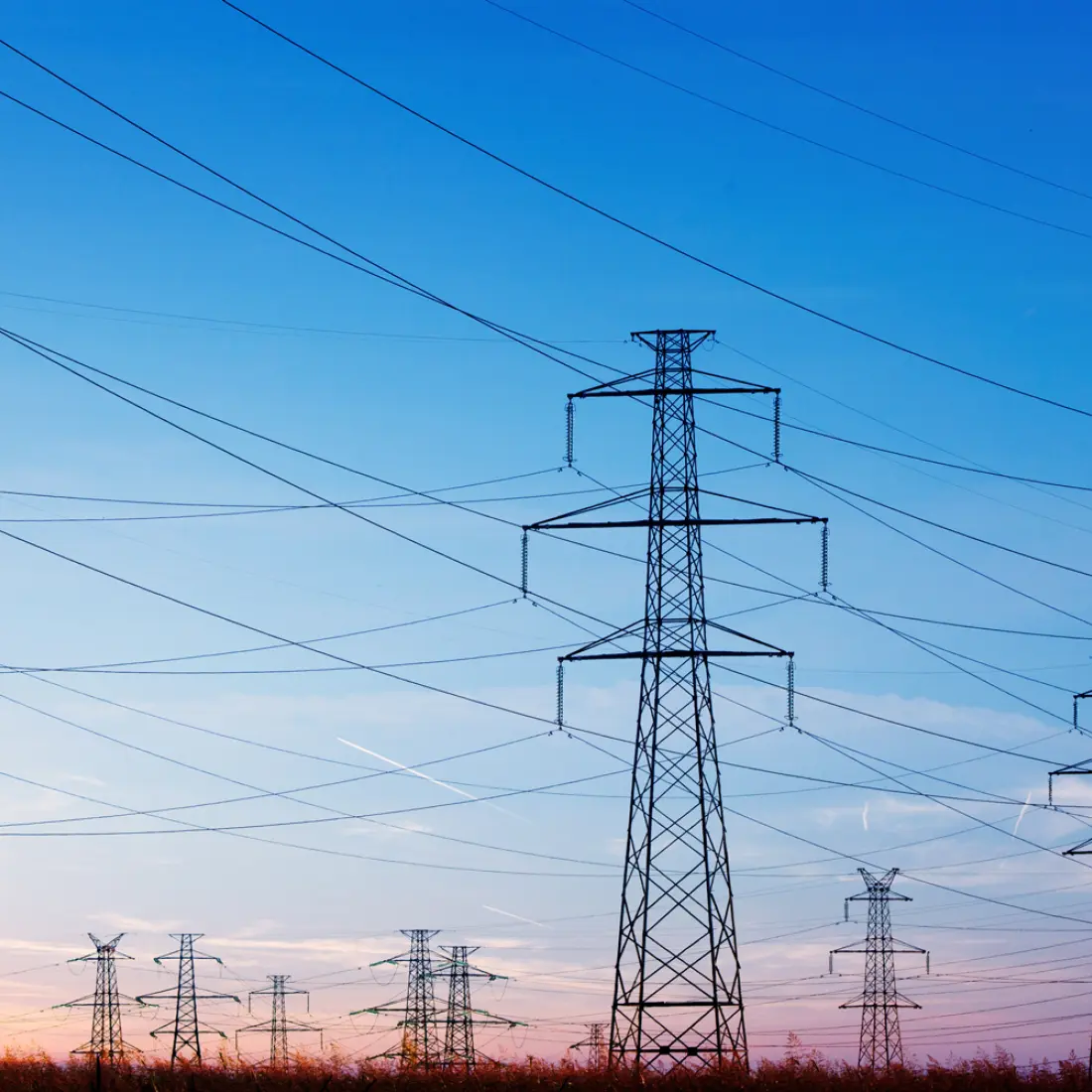
Utility-scale electricity generation
The largest solar projects, designed to feed significant volumes of electricity directly into the grid, much like a traditional power plant would.

Corporate renewable energy procurement
Large companies looking to reduce their carbon footprint may choose to do so through their own PPAs. This can help them to meet net-zero commitments and ensure long-term stabilized costs.
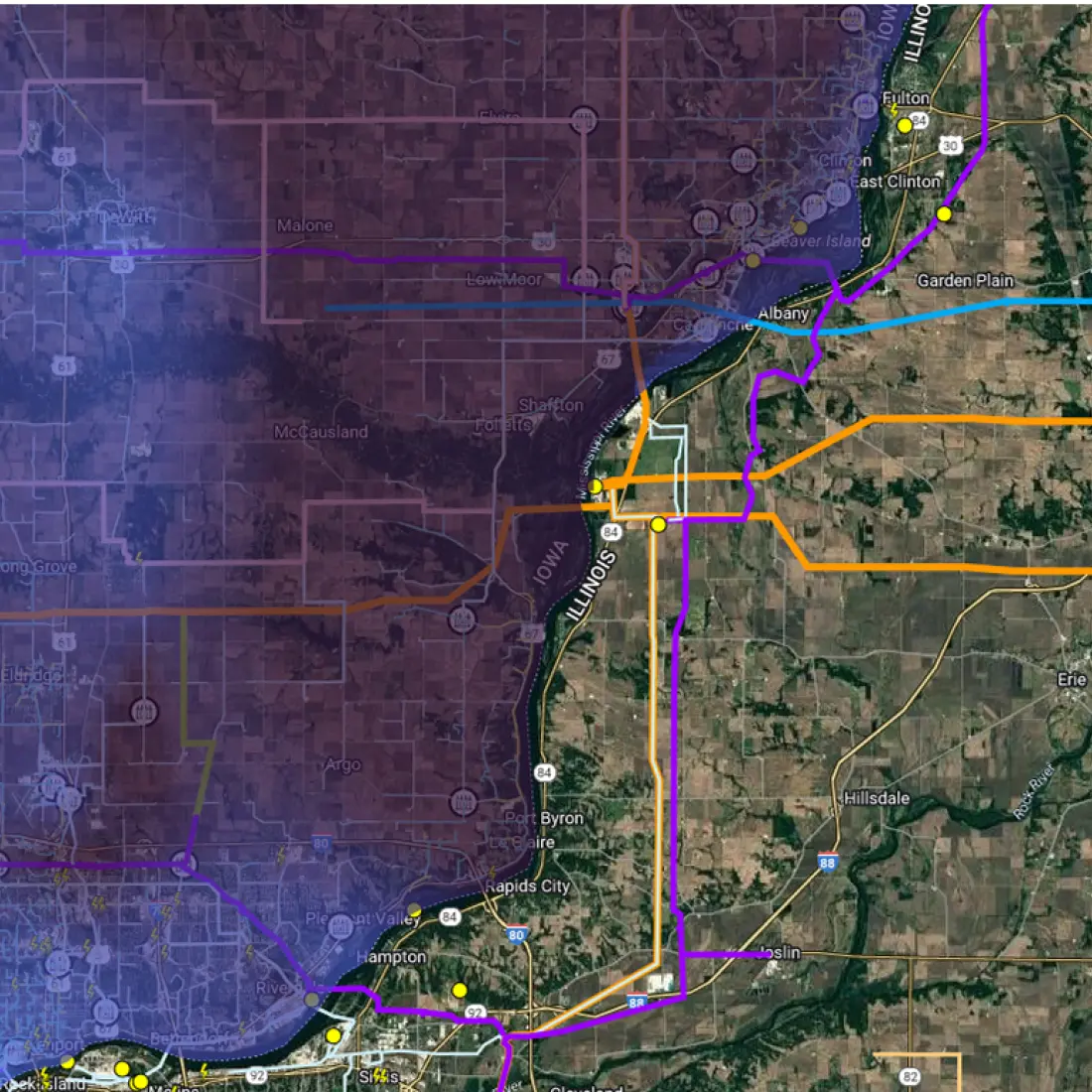
Grid stabilization services
Hybrid solar farms with integrated energy storage are increasingly becoming the industry standard. These systems allow for greater flexibility to better meet peaks and dips in demand.

Carbon footprint reduction
Solar farms operate with a significantly lower carbon footprint over their lifetime than traditional methods of energy generation. For comparison, the average lifecycle emissions of a coal power plant are 820g CO2e/kWh, compared to 33-50g CO2e/kWh for utility-scale solar.

Land use considerations
While there is no denying that solar farms require substantial land area, thoughtful siting in low desirability areas such as deserts, dual-use strategies, and innovative planning can help mitigate any negative impact. However, designing for desert environments requires specific considerations for dust and soiling management as well as extreme temperature conditions, which impacts both module selection and cleaning methods.
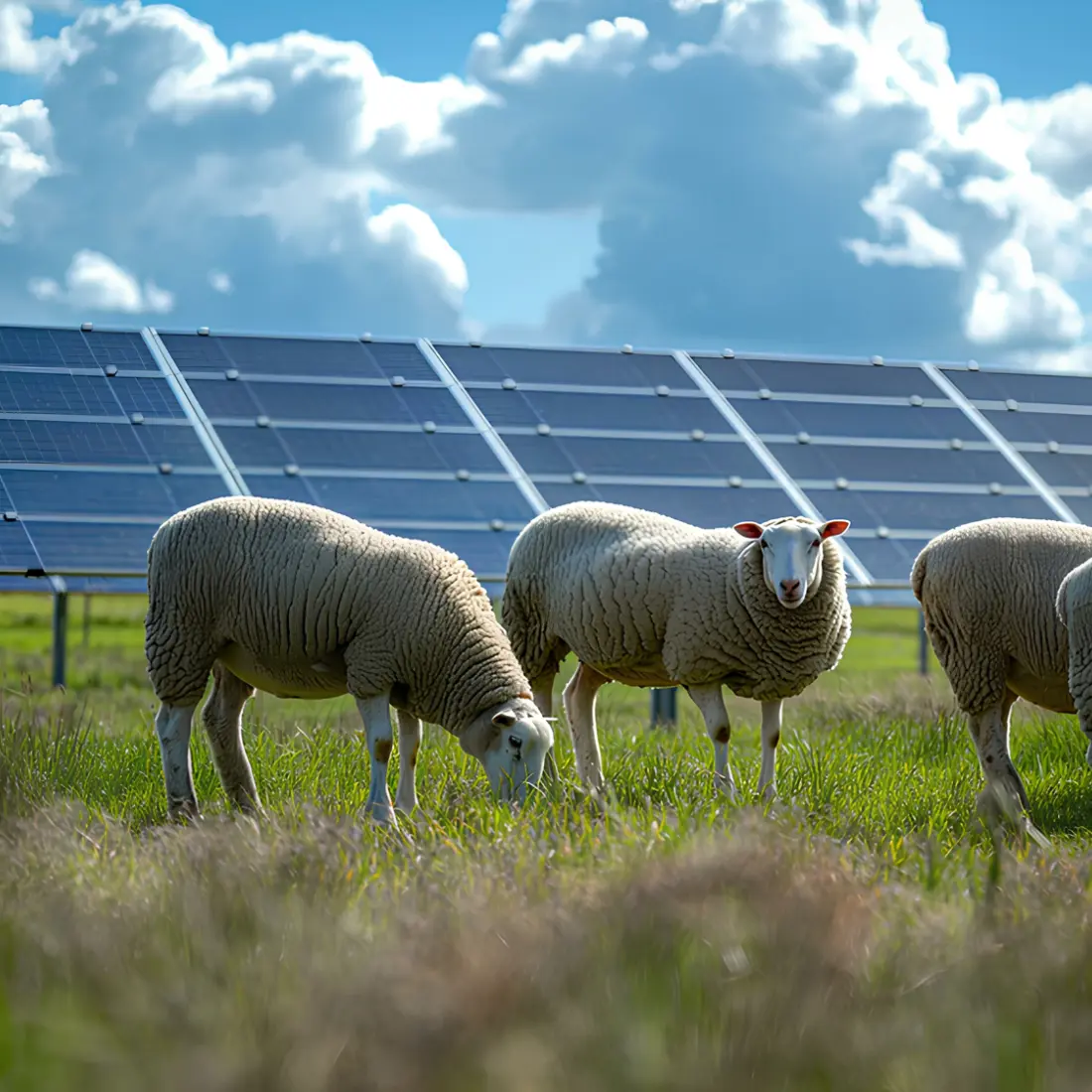
Biodiversity impacts
Modern large-scale solar projects implement a range of mitigating techniques such as habitat buffers, wildlife corridors, and pollinator-friendly vegetation to reduce disruption to local ecosystems and even enhance soil health and biodiversity.
With current market trends signaling continually strong growth globally, and emerging technologies driving cost and energy production efficiency inexorably forward, the future looks increasingly solar powered.
Global solar farm capacity continues its exponential growth, with little sign of slowing down. In 2024, the cumulative capacity of utility-scale solar surpassed 2 TW for the first time, representing a doubling of capacity in just 2 years.
SolarPower Europe now predicts that the world could be installing up to 1 TW of additional capacity each year until 2030. That means we could see an additional doubling of 2024 levels by 2026, and again in 2030.
Regionally, China continues to lead the way in utility-scale solar, with the country now sitting on over 1 TW of cumulative capacity. Europe continues to demonstrate strong growth, with 71.4 GW of capacity added in 2024 (to which Germany at 16.7 GW and Spain at 7.5 GW were the largest single contributors), followed by the USA with 47.1 GW added over the same period.
In short, current market trends show that solar continues to dominate the renewable energy market and far outpaces traditional fossil fuel plants for new capacity added.
Solar farm technology continues to make great strides toward increased efficiency, while maintaining a downward trend in CAPEX and OPEX costs. In the U.S., average levelized costs (LCOE) for utility-scale solar have fallen to approximately 4.6c/kWh, representing an 80% decline since 2010.
Technology-wise, tandem perovskite cells are increasingly regarded as the next generation of PV cell technology. While still under development and not available for widespread deployment, Oxford PV currently holds the world record for the most efficient commercial-sized solar panel at an outstanding 26.8% module efficiency.
Further advancements in tracking systems and grid-connected hybrid PV storage are continually pushing the boundaries of what is achievable with solar.
Beyond that, automated solar design software has considerably boosted the timelines and efficiency of solar farm projects, ultimately making them quicker and cheaper to deploy.
Developers, engineers, and EPCs use CAD solar systems to streamline solar farm design and accelerate project delivery through powerful planning, modeling, and optimization tools.
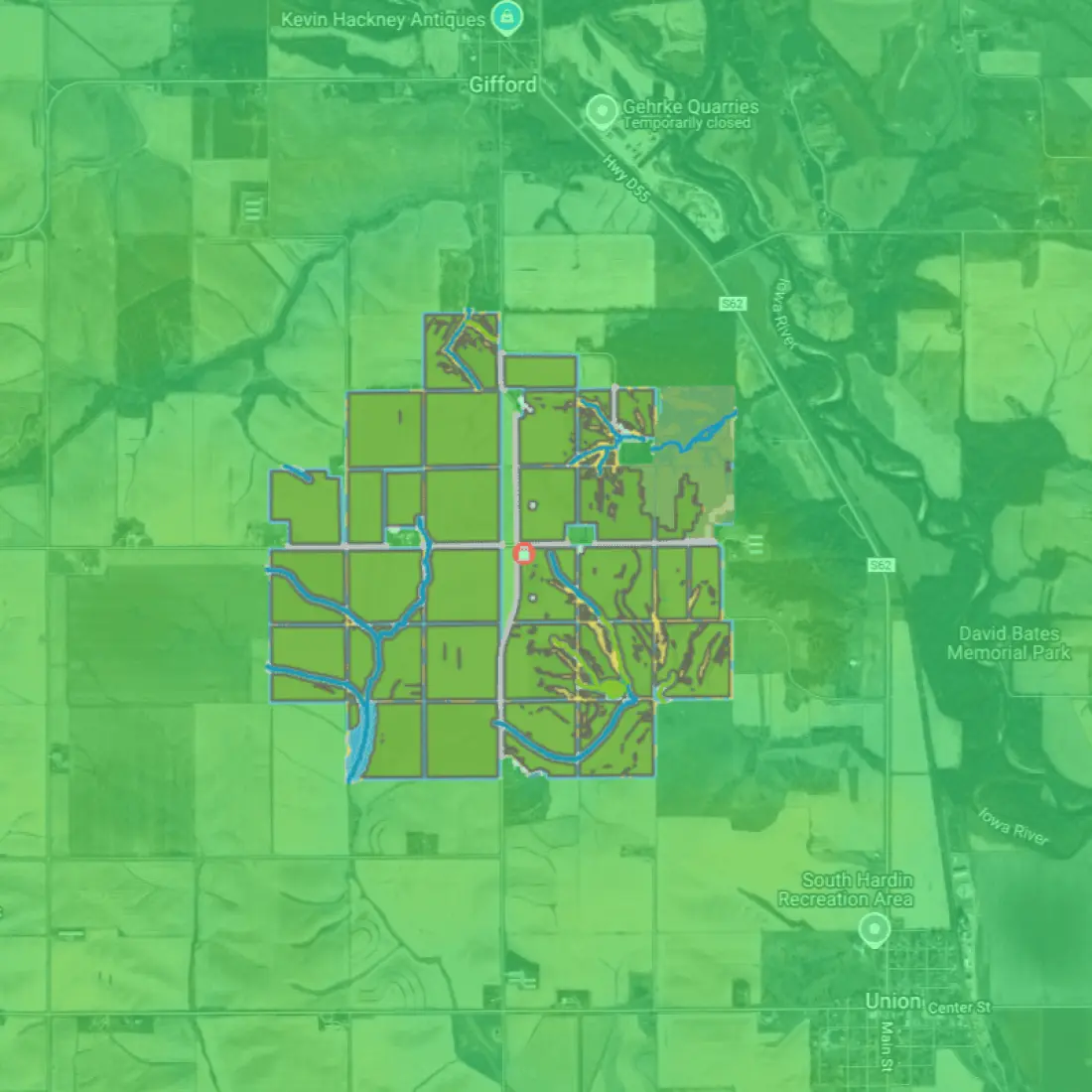
Site selection
Find and compare potential sites, check grid connection options, and choose locations with fewer risks.
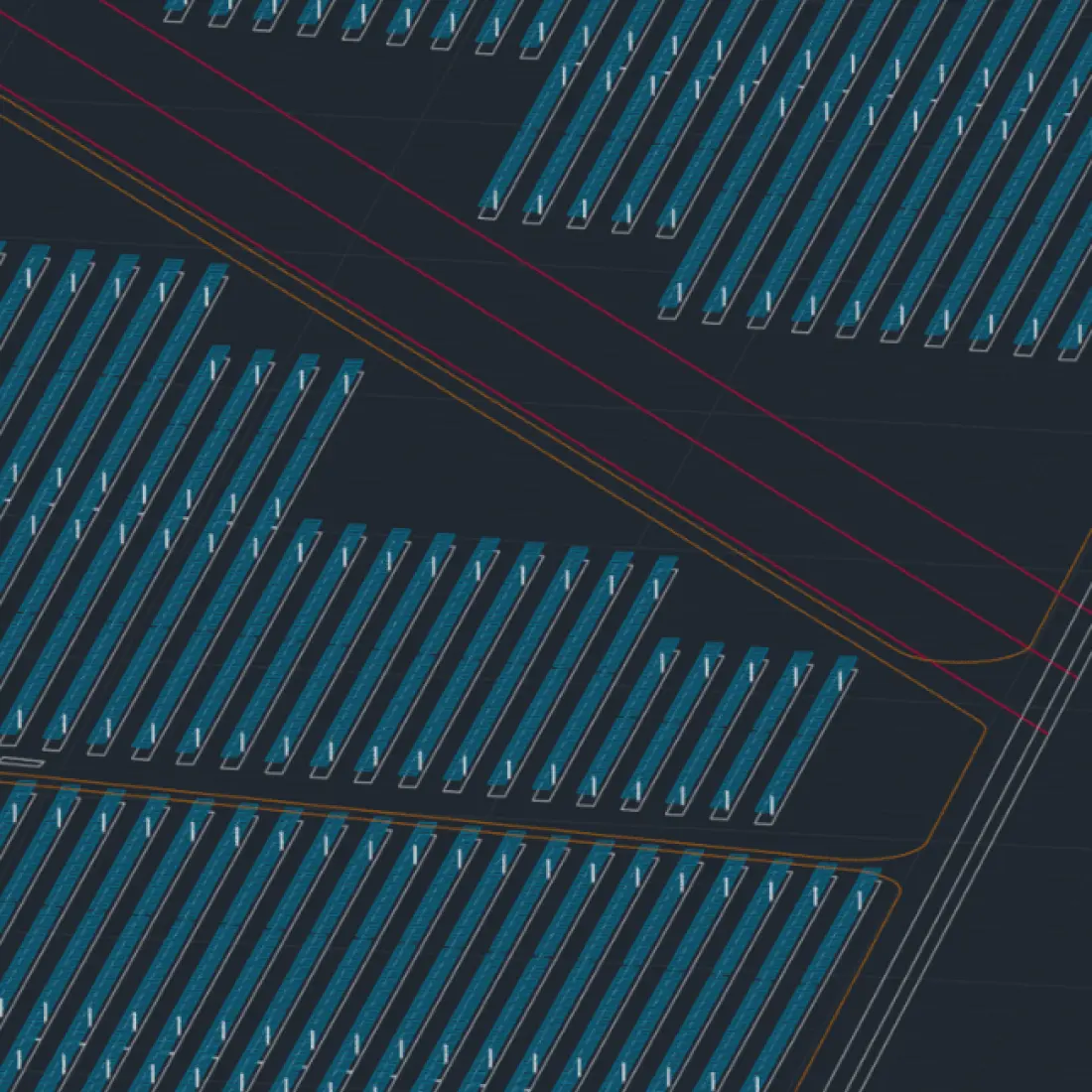
Layout design
Create and refine solar farm layouts automatically. Adjust designs for slopes, terrain, and shading.
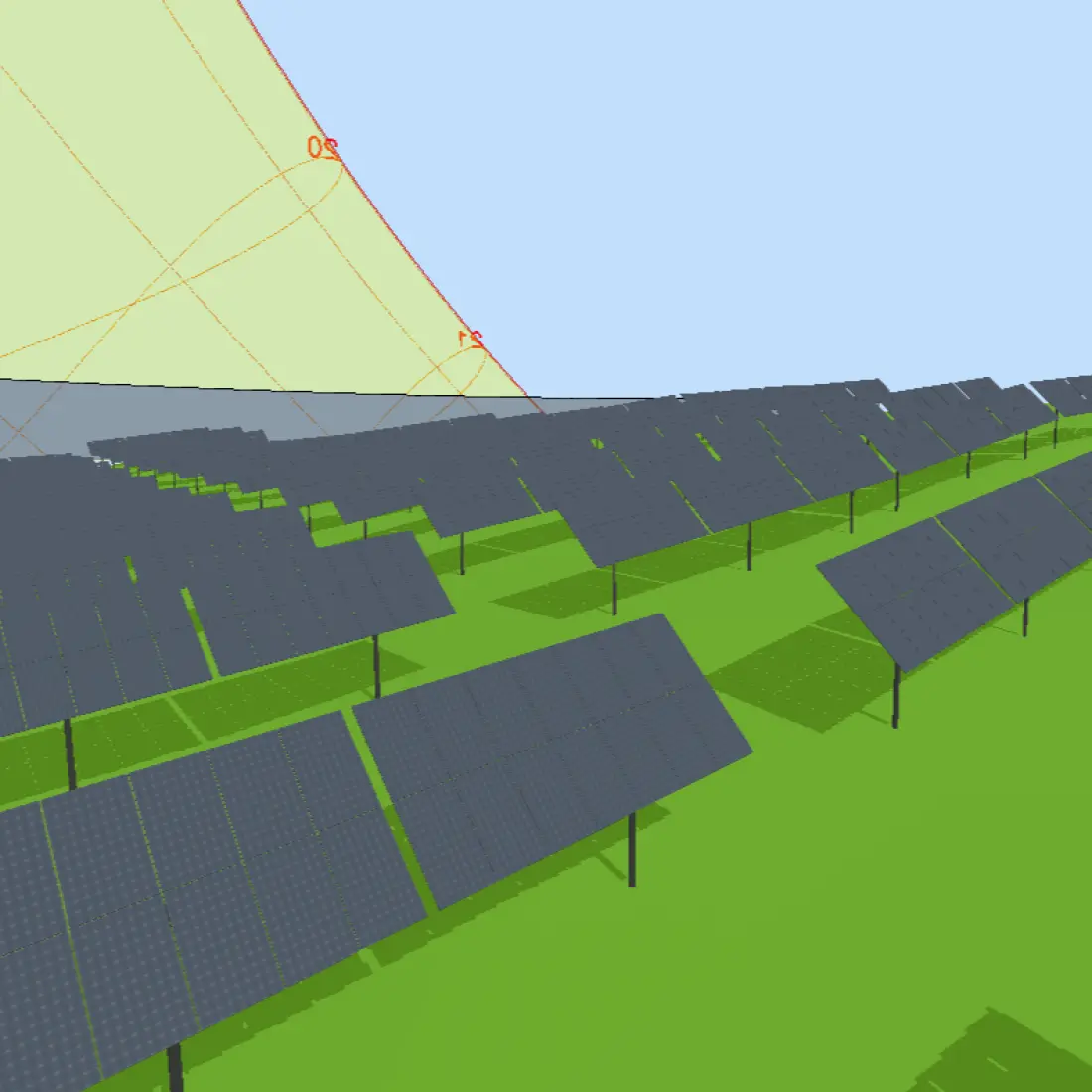
Performance modeling
Estimate how much energy a site can produce with easy-to-use modeling tools.
Streamline steps from early planning to final design to reduce overall development time.
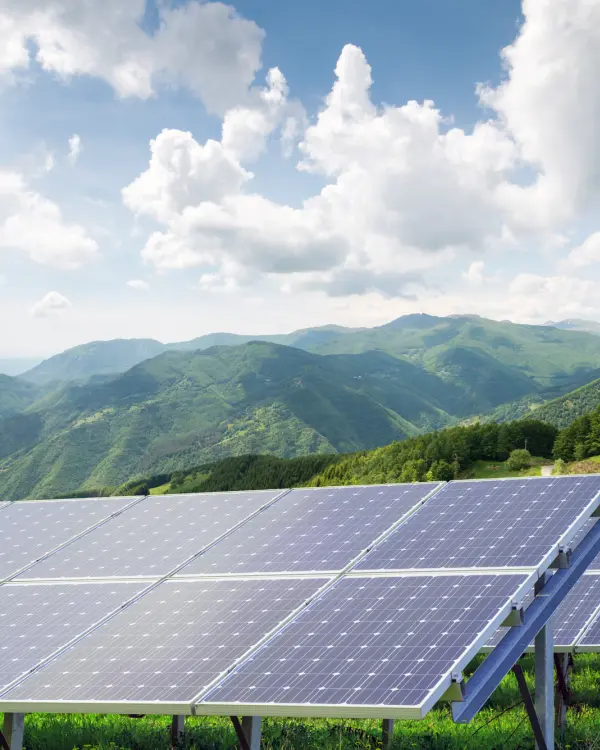
Catch design errors early with built-in checks and accurate site modeling to avoid costly rework.

Choose stronger sites, design efficiently, and get realistic energy estimates so projects stay on budget and start generating revenue sooner
Utility-scale and distributed solar farms are set to anchor the next era of grid modernization, driven by declining LCOE, maturing storage economics, and increasingly sophisticated digital and control systems.
With continued technological gains in module efficiency, hybrid PV-storage architectures, and advanced forecasting and control, solar farms will play an expanding role not only in energy capacity but also in flexibility and grid stability services.
For developers, investors, and utilities, the exponentially growing demand for solar needs to be met by smarter, faster-to-market, and adaptable projects that integrate seamlessly into a dynamic, decentralized energy system.
