The future of software is progressing beyond automation to include advanced machine learning algorithms capable of iteratively testing thousands of layout permutations to find the best one.
Commercial solar design software – advanced solutions for professional PV system design
Master commercial solar design with a unified software development environment.
Advanced commercial solar design software capabilities
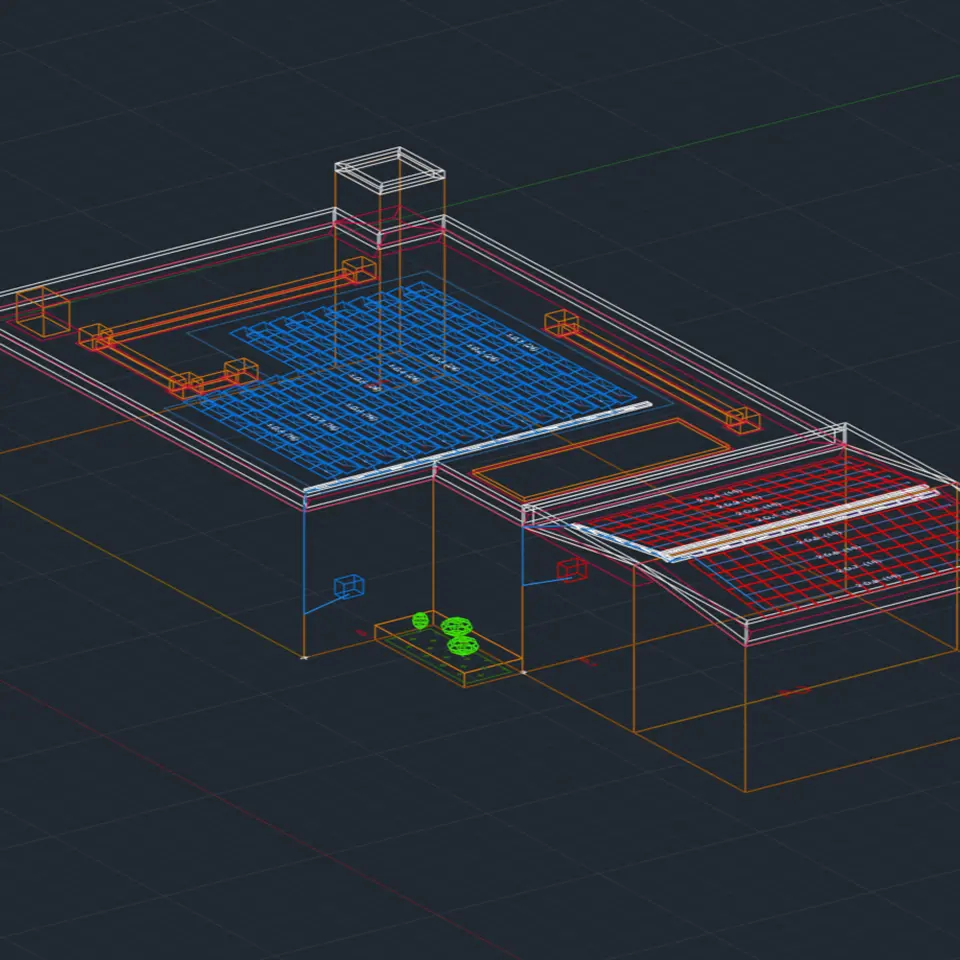
Modern commercial PV system design software uses "digital twins" and BIM to model real-world conditions. These centralized, API-driven platforms integrate live data and component specifications to automate structural load modeling and optimize system performance within a single, streamlined workflow.
Essential features of commercial solar PV design software
A dedicated commercial solar design environment offers advanced solutions such as digital twin modeling, automated processes, and physics-based yield calculations that are revolutionizing design efficiency.
Benefits of professional commercial solar design software
Increased Design Accuracy and Efficiency
Modern commercial PV system design is built around automated features that accelerate the engineering process and reduce avoidable errors.
Reduced design time: By automating complex tasks such as design comparison and string sizing, developers can cut design time significantly.
Minimized human error in calculations: Automated processes not only save time but also eliminate the risk of improper data entry, preventing costly revisions later.
Automated compliance checking: Flag violations against health and safety regulations, building codes, or electrical standards instantly and automatically as design work progresses.
Enhanced project profitability
Precision designs and expedited processes directly translate into both hard-cost savings and improved turnover.
Optimized system performance: Advanced simulation engines that run multiple concurrent tests enable an iterative design approach, delivering maximal design capacity.
Reduced material waste: Integrated BOM generation ensures procurement orders precisely match construction-ready documentation, preventing waste and production delays.
Streamlined stakeholder communication
Bridging the gap between the technical complexity of solar design and non-technical stakeholders is key to winning bids and improving customer satisfaction.
Professional 3D visualizations: High-fidelity, interactive models bring projects to life for stakeholders, allowing them to visualize the finished product well before construction begins.
Interactive proposal presentations: With the ability to export data in a range of user-friendly, non-technical formats, the nuances of commercial solar design can be made accessible to everyone.
Commercial PV system design challenges
Complex site conditions
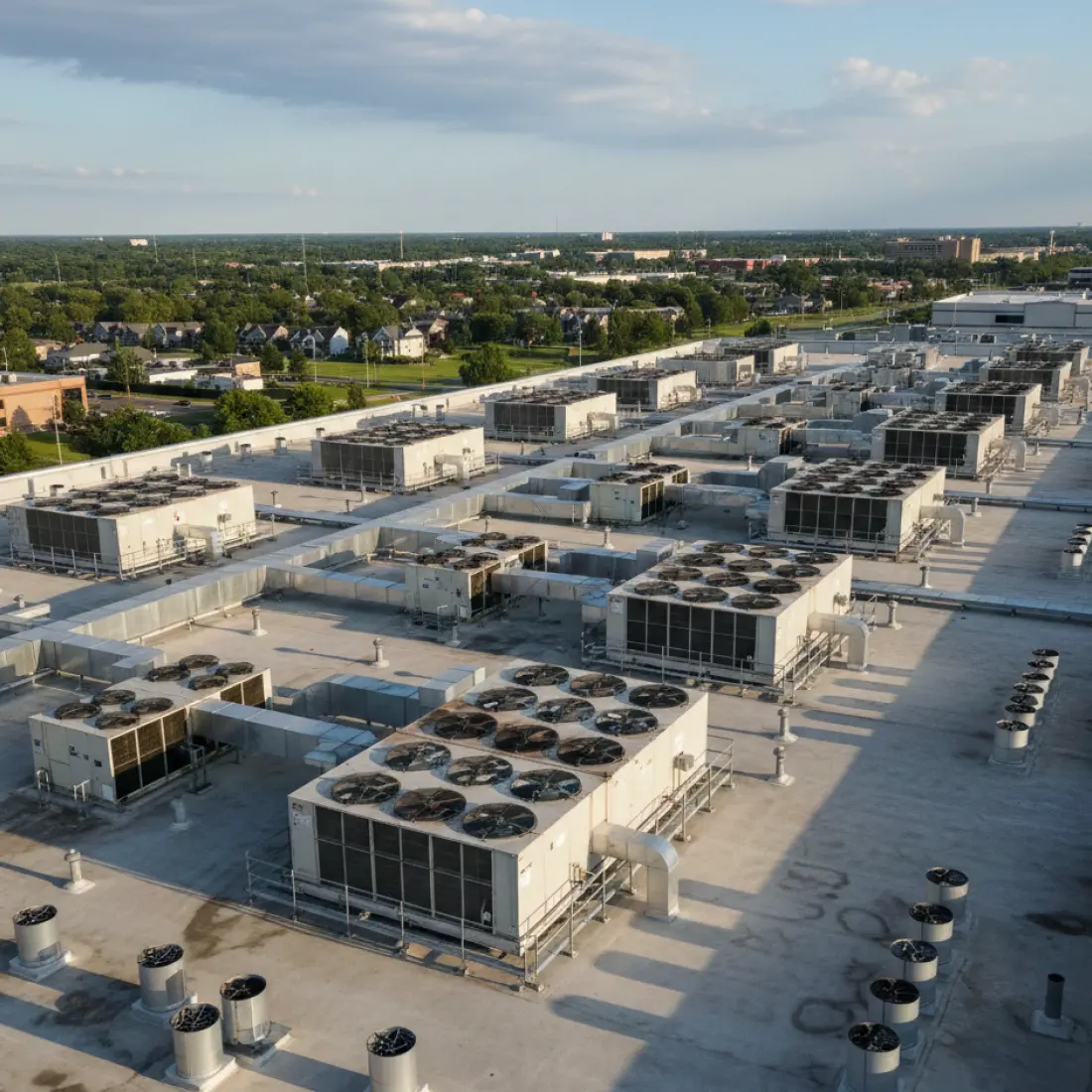
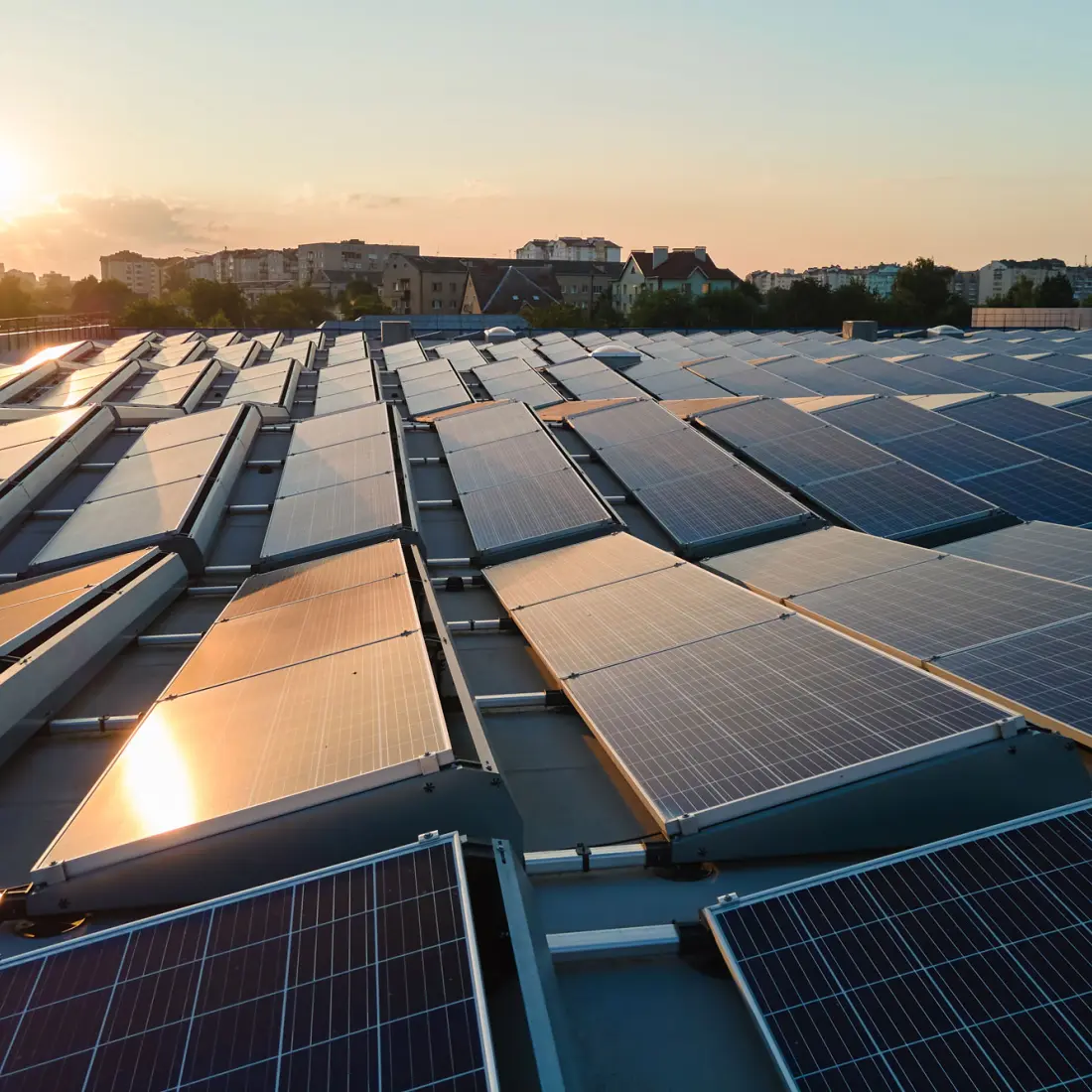
Commercial roofs present challenges like complex geometries, multi-level surfaces, and obstructions that threaten energy yield.
Developers must prioritize structural integrity by performing point load analysis, accounting for natural loads like snow and water to ensure the existing roof's dead-load capacity—especially in older structures—is never exceeded.

Regulatory compliance
Navigating regulatory complexity is essential as local building codes, fire safety, and setback requirements restrict available buildable space.
Furthermore, electrical designs must align with regional utility interconnection standards, which frequently impose specific constraints on total system size and capacity.
Economic optimization
Effective commercial solar PV design balances precise component selection with resource management to optimize LCOE and win bids.
Beyond high-yield modeling, C&I projects focus on maximizing self-consumption and mitigating peak demand charges. This often requires prioritizing time-of-use coverage over total energy output to ensure long-term financial success and avoid procurement delays.
Key considerations when choosing commercial solar design software
Selecting the right platform for commercial solar design is a strategic decision that can have a significant impact on the overall performance of a development business. With that in mind, here are some key factors to consider:
Trusted by industry leaders
4.7
How commercial solar design software ensures compliance and accuracy
Even the greatest design in the world is only as good as its ability to be permitted and financed. The best software is built around industry standards, for outputs that automatically meet the required regulations and are robust enough to support financing agreements.
High-fidelity digital site verification
To secure project approval and financing, a design must move beyond high-level estimates to reflect the physical reality of the asset. Modern C&I software enables designers to build a 3D digital roof that accounts for every obstacle — from HVAC units and skylights to parapet walls and chimneys.
By utilizing "digital twins," engineers can perform precise shading analysis and automated inter-row spacing adjustments before a single module is placed. This granular level of detail ensures that the resulting Bill of Materials (BOM) and electrical stringing plans are bankable, eliminating the costly "redesign loops" that often occur during the construction phase.
Automated code compliance features
Dedicated solar development platforms are built around regulatory requirements for automated code-compliant modeling and conflict checks. This includes built-in tools capable of validating electrical plans against National Electrical Code (NEC) checklists and mechanical plans against International Building Code (IBC) requirements.
In practice, this looks like integrated load-bearing checks, real-time setback and spacing calculations, and even automated AHJ requirement checking for flagging jurisdiction-specific regulations that might otherwise go overlooked.
The future of commercial solar design technology
PVcase: leading commercial solar design software solution
PVcase has established itself as an industry-leader in commercial solar development by offering an all-in-one platform built around automation and seamless workflows. PVcase Roof Mount provides C&I solar engineers with high-precision digital twins, advanced simulation capabilities, and construction-ready outputs.
Why PVcase stands out in commercial solar design
PVcase maintains industry leadership by replacing manual iteration with a topographical-aware design engine. By automating GCR optimization and inter-row spacing based on specific roof slopes and coordinates, our platform generates high-fidelity mechanical and electrical layouts in a fraction of the time required by traditional CAD workflows.
PVcase features for commercial projects
PVcase Roof Mount offers advanced shading analysis with sub-module precision, allowing developers to accommodate complex shading patterns from rooftop and nearby obstructions, and preserve the accuracy of yield estimates.
Integrated financial modeling and reporting then allows users to generate bankable forecasts that can support both financial applications and the permitting process.
Finally, seamless collaboration tools enable multiple stakeholders to work simultaneously from a centralized platform, ensuring that everyone from sales to procurement is working from the same assumptions.